Used sports equipment can stretch a budget when its condition is visible and its purpose is clear. The challenge is separating cosmetic wear from missing parts, unsuitable sizing or hidden damage.
Gather the records before interpreting them
A useful review of buying used sports equipment begins with original records and a defined period. Start with the model, size and included components, keeping dates and descriptions intact. Do not rely entirely on a remembered total or a notification that lacks the surrounding context. Put the relevant documents together in one place and note which information is missing. A clear evidence set makes it easier to ask a specific question instead of starting with an unsupported conclusion.
Match entries to the underlying activity
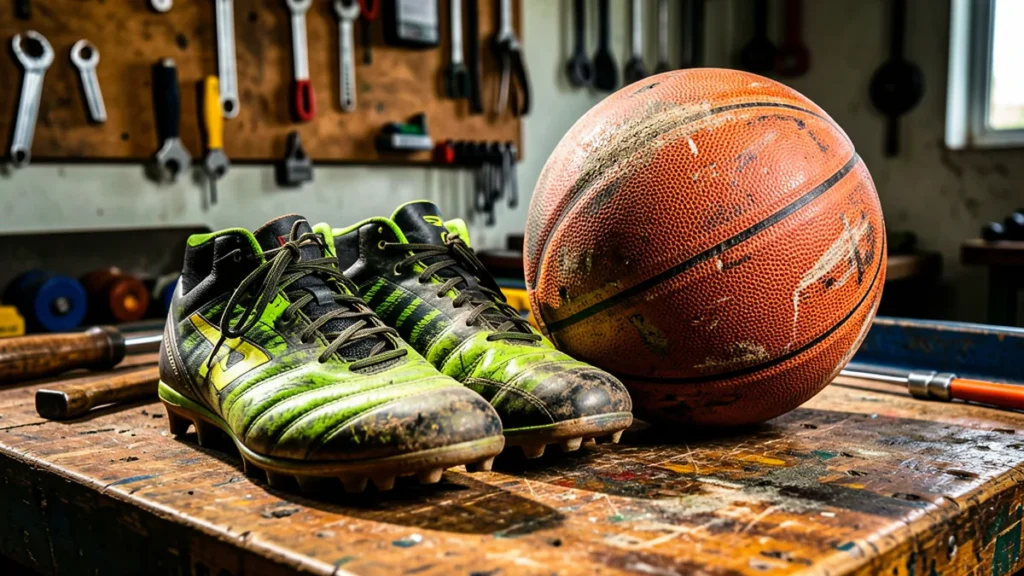
Next, compare visible wear and any service or repair history with what actually happened. Work one entry at a time rather than trying to explain the final total in a single step. Include replacement-part availability and inspection costs where it provides an independent check. Separate ordinary differences in timing from differences in amount or scope. If the records cover unequal periods, mark that explicitly before calculating a discrepancy; otherwise, you may spend time investigating a mismatch created by the comparison itself.
Keep questions factual and narrow
A low asking price can lose its appeal when essential components are missing or the equipment cannot be checked properly. When something remains unclear, describe the exact entry, date and issue you want explained. In buying used sports equipment, a short factual question is usually easier to answer than a broad complaint that everything looks wrong. Use verified contact details and provide only the information needed to investigate. Keep copies of relevant responses, but avoid spreading sensitive records across multiple informal conversations when one established channel is available.
Create a baseline for the next review
Ask for clear photographs and arrange an appropriate inspection before payment. For protective or safety-critical equipment, follow manufacturer guidance and avoid relying on unknown history. Once an explanation is confirmed, record it beside the relevant item so the same question does not need to be reconstructed later. Separate resolved entries from those still awaiting a response. Your next review of buying used sports equipment should begin with that baseline and new activity, not a fresh interpretation of the whole history. A consistent modest process can make genuine changes easier to recognize without requiring specialist bookkeeping software.
The purpose of buying used sports equipment is to support participation you actually enjoy. Keep safety requirements, ordinary access costs and optional upgrades in separate parts of the decision. Ask the venue, organizer or manufacturer about the rules relevant to your activity rather than copying another athlete’s shopping list. Spending more is not a substitute for appropriate equipment or instruction, and a smaller plan can still support a satisfying sporting routine when it fits your needs.
A bargain is useful only when the equipment is suitable, serviceable and safe for its intended use.